
 See Our Latest Article on HelloNation
Sports can support fitness, confidence, and community connection, but head injuries require serious attention. In Westbury, NY, families may be preparing children for school teams, recreational leagues, gym classes, cycling, skating, or seasonal outdoor activities. Concussion prevention is not about eliminating every risk; it is about reducing avoidable head impacts, recognizing symptoms early, and creating a culture where athletes report problems without fear of losing playing time.
What is a sports concussion?
A concussion is a type of traumatic brain injury caused by a bump, blow, or jolt to the head—or by a hit to the body that makes the head and brain move rapidly. Symptoms can affect thinking, balance, vision, mood, energy, and sleep. A loss of consciousness is not required for a concussion to occur. ([cdc.gov](https://cdc.gov/heads-up/about/?utm_source=openai))
Symptoms may appear immediately or develop over several hours or days. That is why an athlete who seems fine immediately after a collision should still be observed carefully, especially after practice, a game, or a fall during an outdoor activity. ([cdc.gov](https://www.cdc.gov/heads-up/signs-symptoms/index.html?utm_source=openai))
How can athletes reduce the chance of a concussion?
The most effective prevention strategy is to reduce unnecessary head impacts. Equipment helps, but it cannot prevent every concussion.
Coaches, parents, officials, and athletes can lower risk by:
- Following the rules and removing unsafe contact from play.
- Never leading with the head or using the head to tackle, check, or strike another player.
- Limiting contact practices in collision sports.
- Teaching safe falling, landing, tackling, and body-position techniques.
- Stopping drills when conditions become unsafe.
- Encouraging athletes to report symptoms rather than hiding them.
- Supporting teammates who need to sit out after a possible injury.
The Centers for Disease Control and Prevention emphasizes that sports programs should enforce safety rules, educate participants, and create an environment where athletes receive positive support for reporting possible concussion symptoms. ([cdc.gov](https://www.cdc.gov/heads-up/prevention/?utm_source=openai))
This applies beyond organized school athletics. A pickup game, backyard practice, bicycle ride, skateboarding session, or community field activity can also involve falls and collisions.
Do helmets prevent concussions?
Helmets reduce the risk of serious head injuries, including skull fractures, but no helmet can prevent all concussions. A helmet should match the activity, fit correctly, and be replaced after significant damage or a major impact. Families should be cautious about products that claim to eliminate concussion risk. ([cdc.gov](https://www.cdc.gov/heads-up/prevention/?utm_source=openai))
For children riding bicycles, scooters, skateboards, or similar equipment, the helmet should sit level on the head, cover the forehead appropriately, and have straps adjusted so it does not shift during movement. An improperly fitted helmet may provide less protection.
Helmets are only one part of safety. Responsible speed, appropriate supervision, clear play areas, and avoiding wet, icy, uneven, or poorly maintained surfaces also matter. In a community with cold winters and changing outdoor conditions, checking fields, sidewalks, driveways, and recreation areas before activity can help reduce falls.
What should parents ask before a sports season?
A short conversation before the season can prevent confusion after an injury. Parents and athletes can ask coaches:
- What is the team’s concussion policy?
- Who evaluates an athlete after a suspected concussion?
- Who contacts the parent or guardian?
- How are symptoms monitored after the athlete leaves the field?
- What documentation is required before returning to play?
- How will schoolwork or physical education be adjusted during recovery?
Athletes should also know that reporting a headache, dizziness, blurred vision, confusion, unusual fatigue, balance trouble, or feeling “foggy” is a safety action—not a sign of weakness.
New York State requires school coaches, physical education teachers, nurses, and certified athletic trainers to complete approved concussion-management training every two years. School policies also address removal from athletic activity and the steps required before return. ([health.ny.gov](https://www.health.ny.gov/prevention/injury_prevention/concussion.htm?utm_source=openai))
What should happen after a possible concussion?
An athlete with possible concussion symptoms should be removed from play immediately and should not return to sports that day. The athlete should be evaluated by a qualified healthcare provider, and return to sports should be treated as a medical decision rather than a coaching or family judgment. ([cdc.gov](https://www.cdc.gov/heads-up/response/index.html?utm_source=openai))
A common mistake is allowing an athlete to “shake it off” because the hit did not look severe. The force of the impact alone does not determine whether a concussion occurred. Symptoms, examination findings, and changes in behavior or function matter more than how dramatic the collision appeared.
Emergency medical care is needed after a head impact if there is:
- Worsening or severe headache
- Repeated vomiting
- Seizure or convulsions
- Increasing confusion, agitation, or unusual behavior
- Weakness, numbness, slurred speech, or poor coordination
- Difficulty waking or staying awake
- Unequal pupils or double vision
- Loss of consciousness followed by increasing drowsiness
These signs may indicate a more serious brain injury and should not be managed only at home. ([cdc.gov](https://www.cdc.gov/heads-up/signs-symptoms/index.html?utm_source=openai))
How does a safe return to sports work?
Return to sports should be gradual. An athlete generally progresses through increasing levels of activity, beginning with light daily movement and advancing only when symptoms do not return. Each stage should be monitored, and a return of symptoms means the athlete should stop and seek guidance about the next step. ([cdc.gov](https://www.cdc.gov/heads-up/hcp/clinical-guidance/index.html?utm_source=openai))
The athlete should be back to regular school and daily activities before completing the sports progression. Returning too soon increases the risk of another concussion while the brain is still healing. ([cdc.gov](https://www.cdc.gov/heads-up/response/index.html?utm_source=openai))
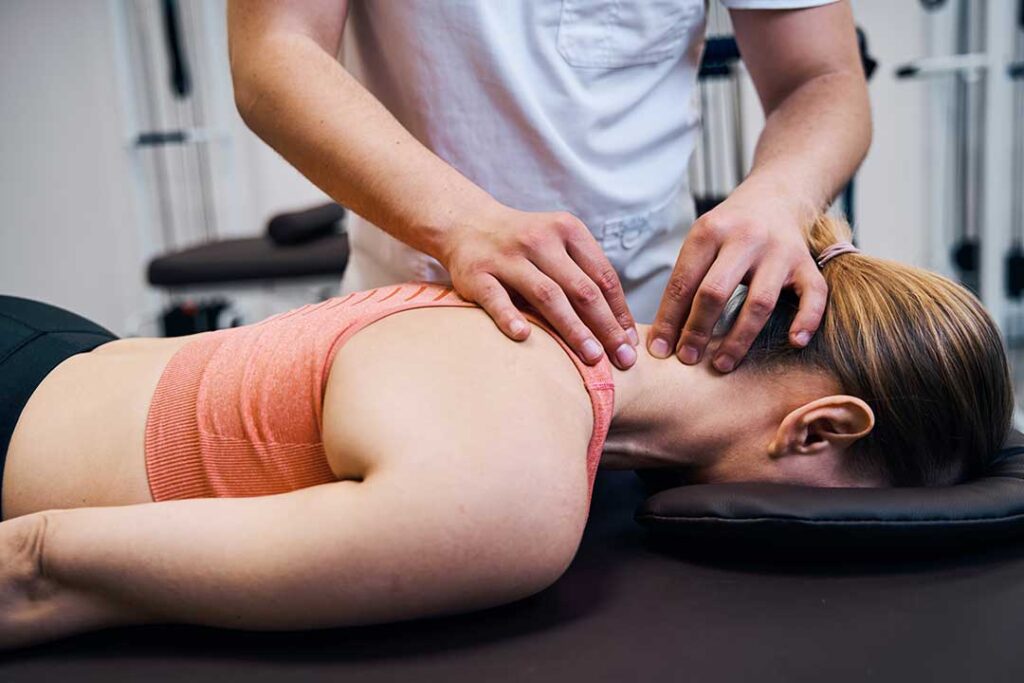
A chiropractor may be involved in addressing certain musculoskeletal concerns after appropriate medical evaluation and clearance, such as neck discomfort or movement limitations. Chiropractic care should not be used to diagnose a concussion, clear an athlete for play, or replace emergency assessment when neurological symptoms are present.
What prevention habit is most often overlooked?
Communication is frequently overlooked. Young athletes may fear disappointing teammates, losing a starting position, or being told they are exaggerating. Parents and coaches can reduce that pressure by stating before the season begins:
- “If you feel different after a hit, report it.”
- “You will not be punished for sitting out.”
- “Health comes before one practice or game.”
That message is especially useful for adolescents, who may minimize symptoms or continue playing because they want to remain involved. Prevention is strongest when safe behavior is treated as part of athletic performance—not as an obstacle to it.
