
 See Our Latest Article on HelloNation

People often ask how often they should see a chiropractor, especially after back pain, neck stiffness, a sports injury, or a long period of sitting. The most accurate answer is that there is no schedule that fits everyone. Visit frequency should depend on the reason for care, how symptoms change, the treatment being used, and whether progress is occurring.
For many people, chiropractic care is used as one part of a broader plan that may also include movement, strengthening, ergonomic changes, medical evaluation, or physical therapy. Spinal manipulation may provide modest improvements in pain and function for some adults with acute or chronic low-back pain, but it is not appropriate for every condition. ([nccih.nih.gov](https://www.nccih.nih.gov/health/low-back-pain-and-complementary-health-approaches-what-you-need-to-know?utm_source=openai))
How often should you go for a new episode of back pain?
A person with a recent, uncomplicated episode of back pain may initially be seen more frequently than someone managing occasional stiffness. In practice, an early plan might involve visits spread across several weeks, followed by less frequent care if symptoms and daily function improve. The exact number should be based on response rather than a preset promise.
A reasonable treatment plan should answer three questions:
- What problem is being treated?
- What improvement is expected, and by when?
- What will happen if symptoms do not improve?
For acute low-back pain, spinal manipulation is one nondrug option recognized in clinical guidance, alongside approaches such as heat, massage, exercise, and other forms of conservative care. Evidence generally shows modest benefits rather than a guaranteed or immediate cure. ([nccih.nih.gov](https://www.nccih.nih.gov/health/low-back-pain-and-complementary-health-approaches-what-you-need-to-know?utm_source=openai))
If pain is improving, visits may be spaced farther apart. If there is little or no meaningful change after a short trial, the diagnosis and treatment plan should be reconsidered rather than simply increasing visit frequency.
Is weekly chiropractic care necessary?
Weekly care is not automatically necessary. Some people may benefit from a short period of regular treatment while an injury settles, while others may need only occasional visits or may do better with exercise-based rehabilitation.
The key measure is function. Useful signs of progress include:
- Walking, standing, or sitting for longer
- Sleeping more comfortably
- Returning to household tasks
- Reduced need to modify ordinary activities
- Improved range of motion
- Fewer or less intense flare-ups
A schedule that continues indefinitely without measurable goals deserves careful review. The fact that a person feels temporarily looser after treatment does not, by itself, show that frequent ongoing visits are needed.
How often should you go for neck pain or headaches?
Neck pain and headaches require more careful assessment because symptoms may come from muscles, joints, posture, nerve irritation, migraine, medication effects, or other causes. Chiropractic treatment may include mobilization, exercise instruction, soft-tissue techniques, or spinal manipulation, but the safest approach depends on the individual diagnosis.
Neck manipulation deserves specific discussion of risks and alternatives. Temporary soreness, stiffness, headache, or increased discomfort can occur after spinal manipulation. Serious complications are very rare, but serious neurological problems and neck-artery strokes have been reported; people should share relevant health conditions and medications before treatment. ([nccih.nih.gov](https://www.nccih.nih.gov/health/spinal-manipulation-what-you-need-to-know?6df6a1c6_page=3&85de4c3e_page=2&utm_source=openai))
Seek urgent medical evaluation rather than routine chiropractic care for a sudden severe headache, fainting, new weakness, trouble speaking, vision loss, severe dizziness, or other neurological changes.
Should you continue care after the pain is gone?
Not necessarily. “Maintenance” or preventive visits are a personal choice, but evidence does not establish one universal schedule that prevents future pain for everyone. Continuing care may be reasonable only when the purpose is clear, the treatment remains helpful, and the person understands what is known and unknown about long-term preventive treatment.
For many people, prevention is more likely to involve several practical habits:
- Regular walking or other tolerable physical activity
- Gradual strengthening of the back, hips, and trunk
- Avoiding long periods in one position
- Adjusting a workstation or vehicle seat
- Using safe lifting techniques
- Addressing sleep, stress, and recovery
Residents managing long commutes, home-office work, household projects, or seasonal outdoor tasks may notice that symptoms follow patterns. For example, a flare-up may appear after prolonged sitting, shoveling, moving storage items, gardening, or returning suddenly to activity in warmer weather. Identifying the trigger can be more useful than simply adding appointments.
When should the schedule change?
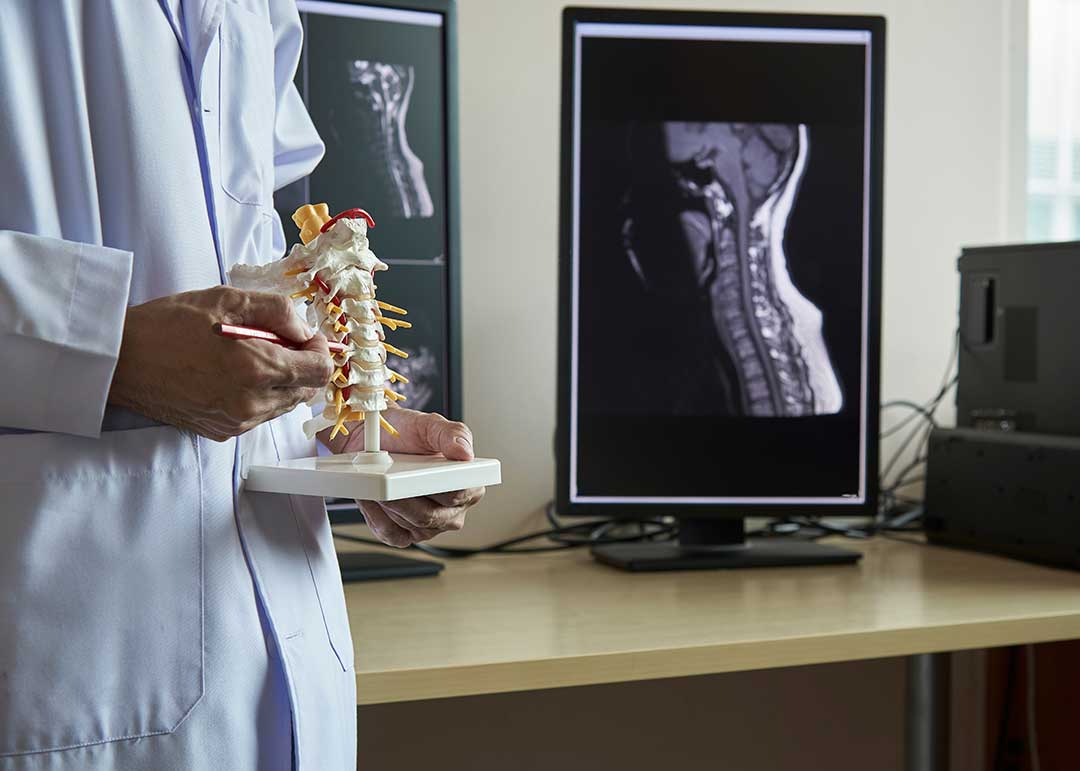
Visit frequency should be adjusted when symptoms change. Less frequent care may make sense when pain, movement, and daily activities are steadily improving. A new evaluation may be needed when symptoms worsen, spread into an arm or leg, or stop responding to the original plan.
Medical assessment is especially important for back pain accompanied by:
- New or worsening leg weakness
- Loss of bladder or bowel control
- Numbness around the groin or inner thighs
- Fever or unexplained weight loss
- Significant trauma
- A history of cancer, infection, or severe bone weakness
- Pain that is constant, severe, or unrelated to movement
These warning signs do not automatically indicate a serious condition, but they should not be managed solely by repeatedly treating the painful area.
How many visits are enough to judge whether care helps?
There is no universal cutoff, but a treatment trial should have a defined reassessment point. That reassessment can consider pain intensity, mobility, sleep, work tolerance, medication use, and the ability to perform ordinary activities.
A useful conversation includes:
- The likely cause or category of the symptoms
- The expected time course
- The treatment alternatives
- Possible side effects
- Home exercises or activity guidance
- Criteria for stopping, changing, or referring care
Research on spinal manipulation commonly evaluates short-term and medium-term outcomes, but study results do not translate into one required schedule for every patient. The National Center for Complementary and Integrative Health describes spinal manipulation as generally associated with modest benefits for some low-back conditions and emphasizes that minor, temporary side effects are common. ([nccih.nih.gov](https://www.nccih.nih.gov/health/low-back-pain-and-complementary-health-approaches-what-you-need-to-know?utm_source=openai))
What is a sensible general rule?
A practical rule is: begin with the least frequent care that is reasonably likely to help, measure whether function improves, and reduce or stop treatment when the intended goals are reached. More visits are not automatically better, and fewer visits are not always enough during an acute problem.
For someone in Westbury, the right schedule may be different during a short-lived strain than during recurring symptoms linked to work posture, driving, exercise, or seasonal household activity. The most useful plan is specific, time-limited when appropriate, and flexible enough to change when the person’s symptoms or examination findings change.
