
 See Our Latest Article on HelloNation
What Is Referred Pain and Why Does It Happen?
Referred pain describes the phenomenon where you feel discomfort or pain in one area of the body when the actual source of the pain is located elsewhere. This is a common experience that can be confusing for residents in Westbury, NY, especially when a symptom in one region—like the arm—relates to an issue in a different part—like the neck or even internal organs.
The body’s nerve network is complex, and sensory signals can take shared pathways to the brain. As a result, your brain may misinterpret where the pain actually comes from. For example, a pinched nerve in the lower back might cause leg pain, not just back pain. Locally, with many residents driving, working in offices, or spending time gardening in yards, these patterns of pain can emerge from daily habits or posture.
How Do People Commonly Experience Referred Pain?
Referred pain may show up as an ache, burning sensation, or tingling in an area seemingly unrelated to the original injury or issue. Some local examples include:
- Tingling in the fingers linked to neck tension after a long workday at a desk.
- Shoulder discomfort resulting from mid-back strain after shoveling snow in winter.
- Sciatica-like pain running down a leg traced back to lower back or pelvic issues, often aggravated by repeated lifting or weekend sports.
Understanding this can help local residents know that the immediate source of discomfort may not always match the underlying cause.
What Makes Referred Pain Different From Radiating Pain?
Referred pain is often mistaken for radiating pain, but there are key differences. Radiating pain typically spreads directly from the source outward along a nerve, as with an injured disc pressing on a nerve root. Referred pain, by contrast, is usually felt in a non-linear way, often farther from the true site. This distinction matters when considering self-care or deciding on a medical evaluation.
Why Is Understanding Referred Pain Important for Local Residents?
Recognizing referred pain can prevent residents from focusing only on the sore spot and missing the root cause. For example, someone in the area developing knee pain after a winter of limited activity might focus on their knee, but the real issue could be hip or lower back dysfunction due to months of inactivity and icy conditions. By understanding these patterns, individuals can seek solutions that address the source—not just the symptom.
Can Everyday Activities in Westbury Contribute to Referred Pain?
Yes, many daily tasks in local households and at work can trigger or worsen referred pain patterns:
- Repetitive shoveling or raking during seasonal yard work
- Sitting for long periods in car commutes, especially during school drop-offs and pickups
- Using handheld devices, leading to "tech neck" or tension headaches
- Carrying heavy loads, such as groceries or school bags
These habits create muscle imbalances, nerve irritation, or joint stress, which may refer pain to other areas of the body without warning.
How Does Chiropractic Evaluation Approach Referred Pain?
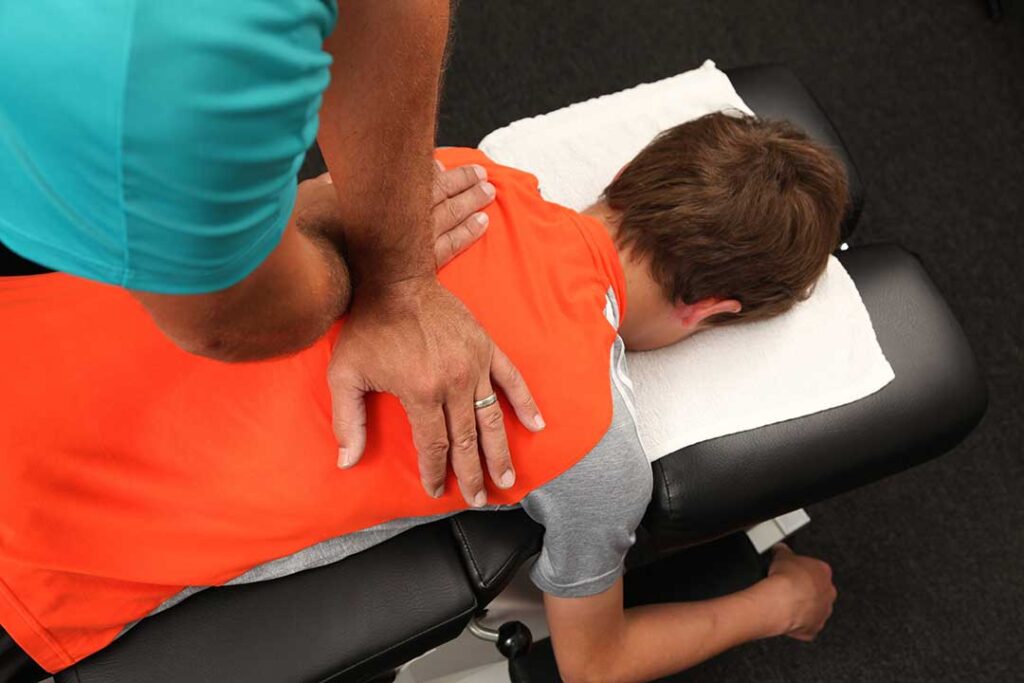
Chiropractic care often involves a thorough assessment to identify whether pain is referred, radiating, or local. This includes a detailed health history, physical exam, posture assessment, and movement tests—often paying close attention to how the spine and nearby joints relate to distant symptoms.
A chiropractor will often ask:
- When did the pain start, and where is it felt?
- What movements or postures aggravate or relieve symptoms?
- Are there patterns, like pain worsening with certain weather changes or household activities?
This approach helps ensure that any recommendations are based on the true underlying issue, rather than just the area where pain is felt.

What Are Common Misconceptions About Referred Pain?
Local residents sometimes believe that pain must always originate and remain in the same area, or that massaging the sore spot is the only remedy. However, focusing only on the location of discomfort can miss underlying joint or nerve problems. Not uncommonly, shoulder pain might relate to neck function or mid-back tightness rather than an isolated shoulder injury. Understanding these links is key to lasting relief.
Are There Practical Steps for Area Residents Managing Referred Pain?
If referred pain is suspected, certain strategies can help manage or minimize discomfort at home:
- Maintain good ergonomic habits during work and leisure
- Regularly change positions and use gentle stretches after yard or household chores
- Use supportive footwear, especially if on feet often
- Apply warm or cold packs to stiff areas, not just directly to the sore spot
- Track symptoms to identify patterns tied to specific activities
If pain persists, worsens, or causes significant limitation, further evaluation is warranted, especially if accompanied by numbness, significant weakness, or other concerning symptoms.
How Can Chiropractic Care Address Referred Pain Issues?
Chiropractic care may help with referred pain by targeting the primary source of irritation—often misaligned or restricted joints, tense muscles, or compressed nerves. Approaches may include:
- Spinal adjustments to promote joint mobility
- Soft tissue techniques on related areas to ease muscle tension
- Postural education tailored to common household and work activities
- Suggestions for home-based stretches or ergonomic improvements
This approach often involves re-assessment to track how addressing the primary area impacts the referred symptoms, promoting gradual improvement and better comfort for local families.
