
 See Our Latest Article on HelloNation
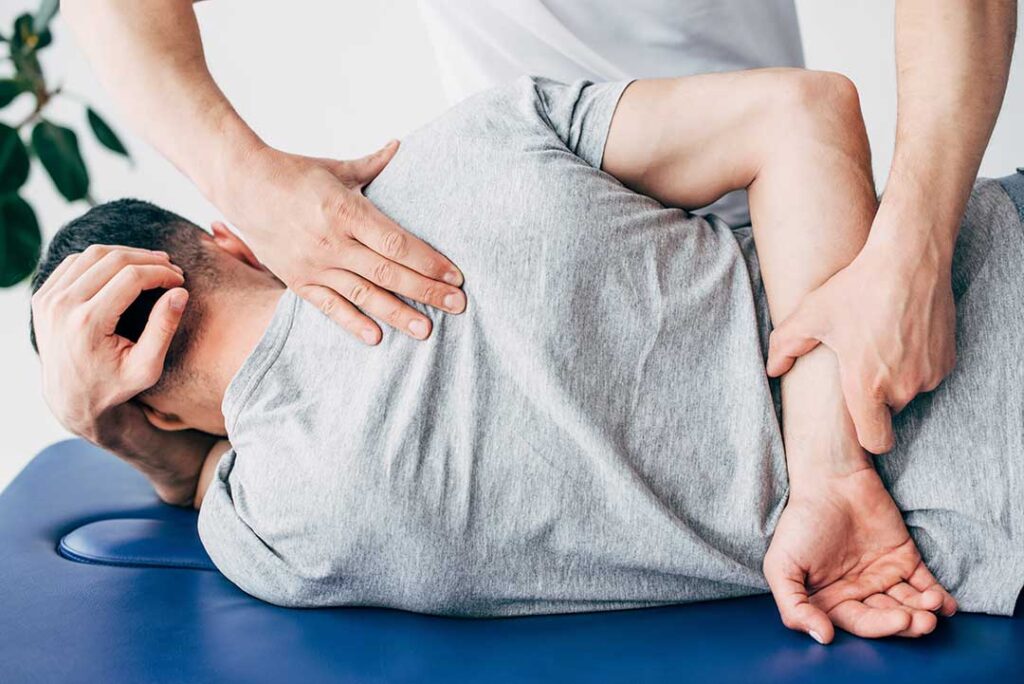
How Does Chiropractic Care Affect Mobility for Seniors?
Chiropractic care can help improve mobility for many seniors by addressing the joint stiffness, muscle tension, and posture changes that tend to increase with age. Chiropractors use gentle, hands-on techniques to help improve joint alignment and movement, which can make daily activities like walking, getting up from a chair, or reaching overhead feel easier.
What Mobility Challenges Do Seniors in Westbury, NY Commonly Face?
Older adults in the Westbury, NY area often experience challenges with flexibility and movement, especially in colder months when joints feel stiffer or during times of increased humidity. Suburban lifestyles here mean residents frequently need to navigate steps, curbs, and uneven sidewalks. Seasonally icy conditions may contribute to a fear of falling, sometimes causing local seniors to limit activity and lose mobility.
Common age-related challenges include:
- Reduced flexibility in the hips and shoulders
- Difficulty turning the head, affecting safe driving or crossing streets
- Stiffness or soreness in the lower back during household chores or gardening
- Muscle tension after shoveling snow or raking leaves
Can Chiropractic Techniques Really Make a Difference for Aging Joints?
Gentle joint movements and soft tissue techniques are tailored to the needs of older adults. Chiropractic adjustments for seniors are typically low-force and specific. The goal is to improve or maintain natural joint motion rather than just address pain.
Common approaches include:
- Mobilizing stiff joints with precise, gentle pressure
- Stretching muscles and connective tissues to support posture
- Offering guidance on safe at-home stretching
Many residents find these methods make it easier to stand upright, rotate the torso, and bend without as much discomfort.
What Are the Benefits of Increased Mobility for Local Seniors?
Improved mobility can support independence and help local seniors continue favorite routines, from backyard gardening to visiting the library. Mobility is directly linked to quality of life and can lower the risk of falls.
Other benefits include:
- Greater ease with household tasks
- Better balance and stability for outdoor walks in neighborhood parks
- Improved ability to socialize and volunteer in community programs
- Fewer missed outings due to stiffness or fatigue

Can Simple Lifestyle Habits Build on Chiropractic Gains?
Yes, regular movement and smart self-care can help seniors in the community maintain and build upon mobility improvements. Residents are often encouraged to:
- Take short, regular walks on familiar, even surfaces
- Stretch gently in the morning and evening, especially during colder seasons when stiffness increases
- Stay hydrated and maintain a balanced diet to support joint health
- Use supportive footwear, especially if navigating less maintained sidewalks or areas with fallen leaves
Small lifestyle changes, when combined with professional care, can significantly help manage and limit further loss of mobility.
Are There Common Misconceptions About Chiropractic Safety for Seniors?
A frequent concern is whether chiropractic care is risky for older adults with osteoporosis or joint replacements. Techniques can be adjusted for those with fragile bones or joint replacements, focusing more on soft tissue work and low-force mobilizations rather than forceful adjustments.
Before providing care, a chiropractor typically reviews each individual’s health history, and may coordinate with physicians, especially if there are complex medical needs involved.
When Might Someone Seek Additional Medical Advice?
While chiropractic care is a supportive approach for improved mobility, certain symptoms should be discussed with a physician, such as sudden or unexplained muscle weakness, severe joint swelling, or significant changes in walking ability.
Residents experiencing dizziness, loss of balance unrelated to stiffness, or sharp, new pain should consult their healthcare provider. In some cases, working together with other medical professionals ensures safer, more integrated care for seniors in the community.
How Do Local Conditions Impact Mobility for Seniors?
Seasonal weather, frequent household chores, and the suburban setting of the area all shape the types of mobility challenges seniors face. For example, cold winters and hot, humid summers can affect joint health differently. Steps, porches, and local sidewalks often require good flexibility and balance. Understanding these everyday factors helps tailor mobility advice to real-life needs in the community.
